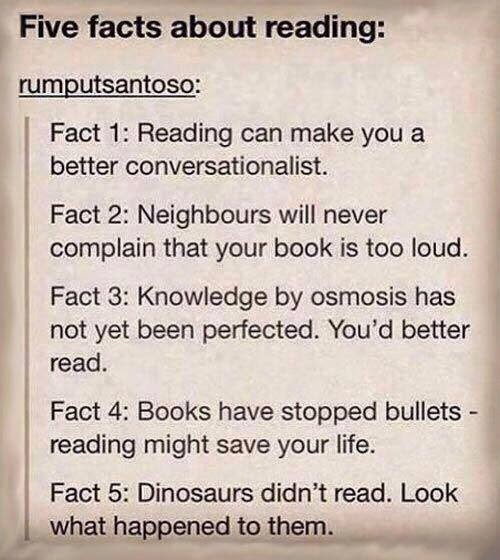
If you are a victim of books as well, just comment in the comment box about your favourites.

Character’s Name
|
Physical
Description
|
Personality/Qualities
|
Role in the Story
(Circle Major or Minor)
|
Important Quote
|
Major Minor
|
||||
Major Minor
|
|
Make Connections
What connections do I make as I read?
Good readers
notice pieces of
text that relate to or remind them of:
·
Their lives,
past experiences, and prior knowledge
·
Other books,
articles, movies, songs, or pieces of writing
·
Events,
people, or issues
Tips:
·
That reminds
me of…
·
This made me
think of…
·
I read another
book that…
·
This is
different from…
·
I remember
when…
|
Visualize
Good readers
create pictures in their minds while they read.
While reading, note places where you get a clear picture in your mind
that helps you understand the text:
·
I can picture…
·
I can see the…
·
I can
visualize…
·
The movie in
my head shows…
·
Use your
senses to connect the characters, events, and ideas to clarify the picture in
your head.
·
I can
taste/hear/smell the…
· I can feel the…
|
Ask Questions
Good readers ask questions before, during, and after reading to better
understand the author and the meaning of the text.
Ask questions of the author, yourself, and the text:
·
What is the
author trying to say?
·
What is the
message of this piece?
·
Do I know
something about this topic?
·
What do I
think I will learn from this text?
·
How could this
be explained to someone else?
·
What
predictions do I have about this reading?
|
|
Infer
How do I read between the lines?
When the answers are “right there,” good readers draw conclusions
based on background knowledge and clues in the text.
Ask yourself:
·
I wonder why…
·
I wonder how…
·
I wonder if…
·
Find
information from the text that might be clues to the answers and use these
with your background knowledge for possible answers.
|
Determine Importance
What’s the big idea?
So what?
Good readers
look for things that help them identify big ideas and why they are important.
Look at text
features for clues:
Titles and
headings
·
Bold print
·
Pictures and
captions
·
Graphs and
charts
·
Chapter
objectives and questions
Tips:
·
The big idea
is…
·
Most important
information is...
·
So far I’ve
learned…
·
The author is
saying…
·
This idea is
similar to…
|
Synthesize
How do I use what I’ve read to create my own ideas?
Good readers combine new information from their reading with existing
knowledge in order to form new ideas or interpretations.
Synthesis is creating a single understanding from a variety of sources.
Tips:
·
Compare and
contrast what I’m reading with what I already know or other sources of
information.
·
Think of new
ways to use this information.
·
Can
connections I make across this text help me to create new generalizations or new
perspectives?
|